Key Steps in a Professional Septic System Installation
People searching for septic system installation are typically looking to ensure proper setup, and local contractors can guide them through key steps to achieve a reliable system.
Understanding the key steps in a professional septic system installation can help property owners make informed decisions about their property’s infrastructure. Whether planning a new build, replacing an aging system, or upgrading existing facilities, knowing what’s involved ensures the process runs smoothly and meets necessary standards. Local contractors specializing in septic system installation are equipped to guide property owners through each stage, from site assessment to final setup, making sure the system functions efficiently and reliably for years to come.
For property owners in the area, exploring this topic is practical because proper septic installation is essential for maintaining property value and avoiding costly issues down the line. Local service providers have the experience to handle the complexities involved, ensuring the installation aligns with local regulations and soil conditions. Keep reading to learn more about the fundamental steps involved in a professional septic system installation and how local experts can help ensure the job is done right.
- Septic system design - homeowners planning a new installation may need local contractors to develop a suitable system layout tailored to their property.
- Site evaluation and soil testing - property owners seeking proper placement of a septic system rely on local service providers to assess soil conditions and drainage capabilities.
- Permitting and system planning - individuals replacing or upgrading a septic system can benefit from local pros who handle the necessary regulatory approvals and planning.
- Septic system installation - those building a new home or replacing an old system often turn to local contractors to properly install components according to key steps in a professional process.
- System inspection and testing - property owners may need local service providers to verify that a septic system is functioning correctly after installation or repairs.
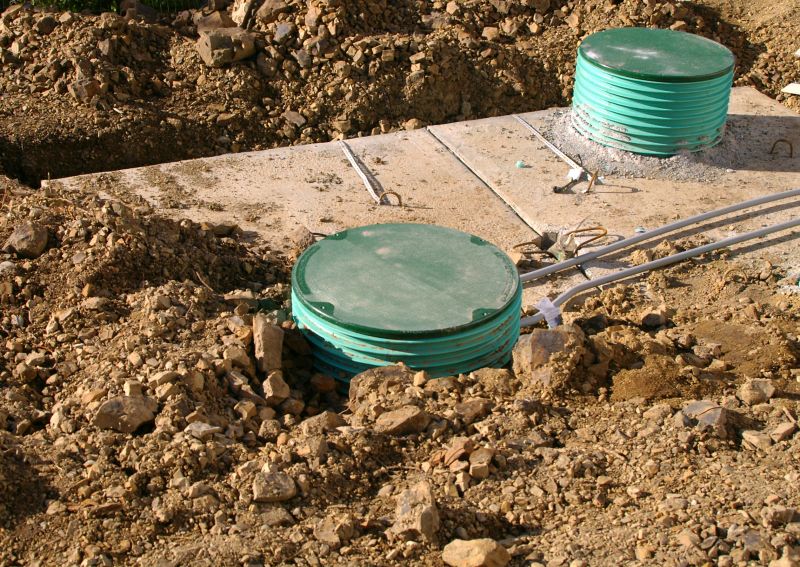
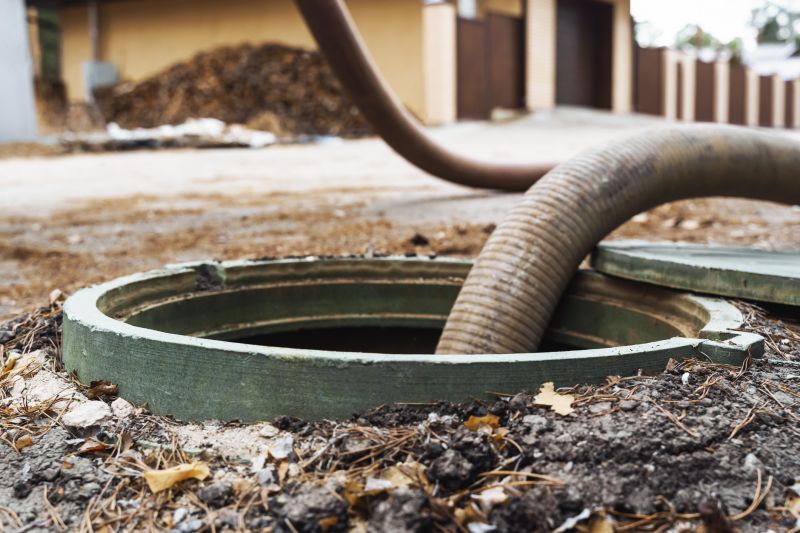
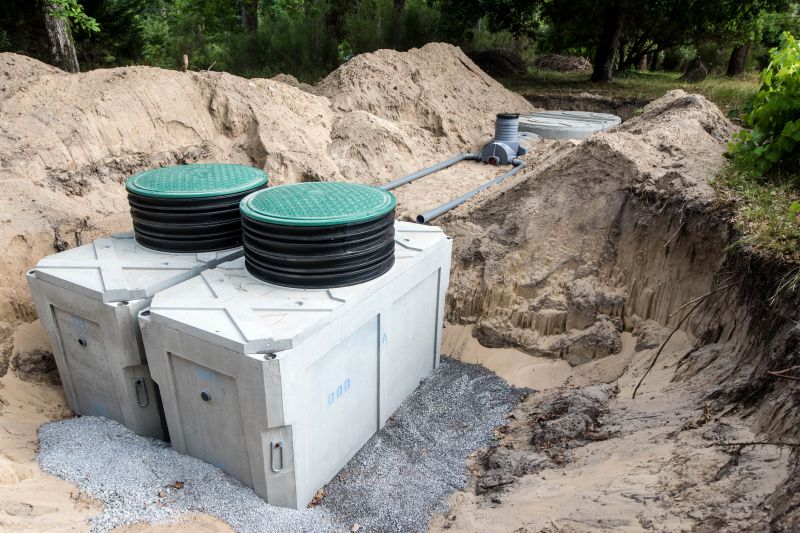
When searching for information about key steps in a professional septic system installation, homeowners are often looking to understand what the process entails and what to expect when working with local contractors. This topic typically relates to plans for installing a new septic system on a property that is not connected to a municipal sewer. It may also involve replacing or upgrading an existing system that is no longer functioning properly. People interested in this subject usually want to ensure their property’s wastewater management is reliable, compliant with local regulations, and suited to the property’s size and usage. Understanding these key steps helps homeowners prepare for the project and select experienced service providers who can handle each phase efficiently.
Septic system installation is relevant for a variety of property types, including rural homes, suburban properties, and some commercial sites. These properties often lack access to municipal sewer lines, making a properly installed septic system essential for wastewater treatment. The size and soil conditions of the property influence the design and placement of the system. For example, larger properties with more land may require larger drain fields, while areas with certain soil types might need specialized leach fields or alternative systems. Homeowners planning new construction or major renovations frequently seek out local contractors who specialize in septic installations to ensure the system is designed and installed correctly from the start.
The process of installing a septic system involves several key steps that ensure the system functions properly and complies with local standards. Initially, a site assessment is conducted to evaluate soil conditions, water table levels, and property layout. This helps determine the most suitable location and type of system. Next, the design phase involves planning the layout of the septic tank and drain field, considering property boundaries and future accessibility. Once approved, local service providers handle the excavation, installation of the septic tank, and connection to the drain field. Proper installation requires careful attention to grading, backfilling, and ensuring all components are correctly positioned for long-term performance. These steps are critical for providing a reliable wastewater management solution for the property.
Choosing experienced local contractors for septic system installation ensures that each of these key steps is completed accurately and efficiently. Professional installers bring knowledge of local regulations, soil conditions, and best practices, which are vital for a successful project. They can also advise on the most suitable system design based on property specifics and usage needs. Homeowners should prioritize working with service providers who have a proven track record in septic installations, as this can reduce the risk of future issues and costly repairs. Connecting with local pros through a lead generation platform helps compare options and find qualified experts capable of managing every phase of the installation process, from initial assessment to final setup.
Drain field installation - this project involves planning and excavating soil to create proper drainage, utilizing similar site assessment and excavation skills as septic system installation.
Soil testing and site evaluation - assessing soil conditions and suitability for septic systems requires planning and specialized testing tools, paralleling the initial steps in septic system setup.
Septic tank replacement or repair - replacing or repairing existing septic tanks involves similar groundwork, excavation, and system connection skills as in new installations.
Drainage system installation - installing additional drainage features requires careful planning and excavation, aligning with the technical skills used in septic system setup.
Utility trenching and piping - laying underground pipes for utilities shares planning, trenching, and installation techniques with septic system piping work.
Site grading and land clearing - preparing the land for septic systems involves grading and clearing, which involves similar planning and equipment handling as septic installation projects.
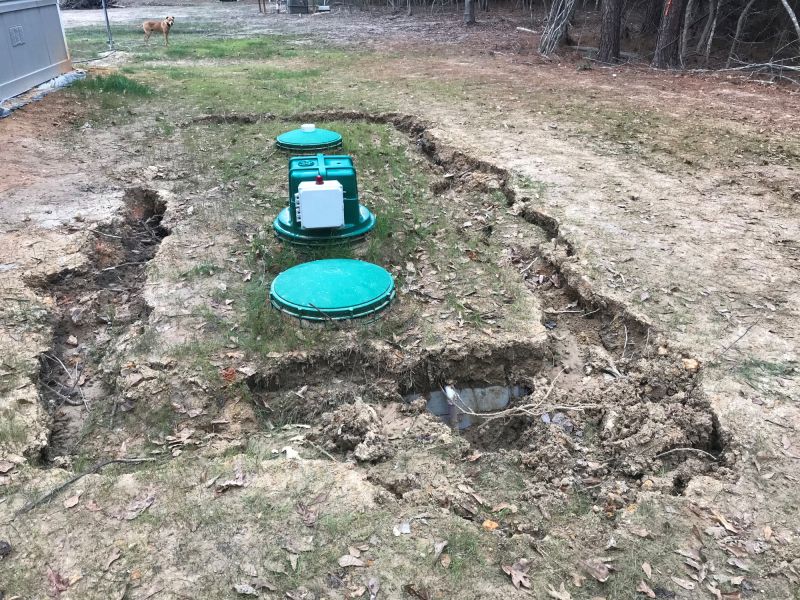
When comparing local contractors for a septic system installation, it’s important to consider their experience with similar projects. Homeowners should look for service providers who have a proven track record of handling septic system installations comparable in size and complexity to their own property. Contractors with relevant experience are more likely to understand the key steps involved and navigate potential challenges effectively, helping to ensure the installation proceeds smoothly and meets necessary standards.
Clear written expectations are essential when evaluating septic system installation services. Homeowners should seek providers who can offer detailed, written descriptions of the scope of work, including the key steps involved in the process. Having this information upfront helps prevent misunderstandings, ensures everyone is aligned on project milestones, and provides a reference point throughout the installation. Transparent communication about what to expect can also indicate a professional approach and a commitment to customer clarity.
Reputable references and good communication are vital qualities to consider when choosing local contractors. Homeowners are encouraged to ask for references from previous clients who had similar projects completed, as this can provide insight into the contractor’s reliability and quality of work. Additionally, service providers who are responsive and clear in their communication tend to foster a smoother working relationship, making it easier to address questions or concerns as the project progresses. These factors contribute to a more confident decision when selecting a professional for septic system installation.
Property owners often search for key steps in a professional septic system installation when they are planning practical projects around their homes and businesses. Local pros provide Septic System Installation services for everyday jobs and straightforward project options.
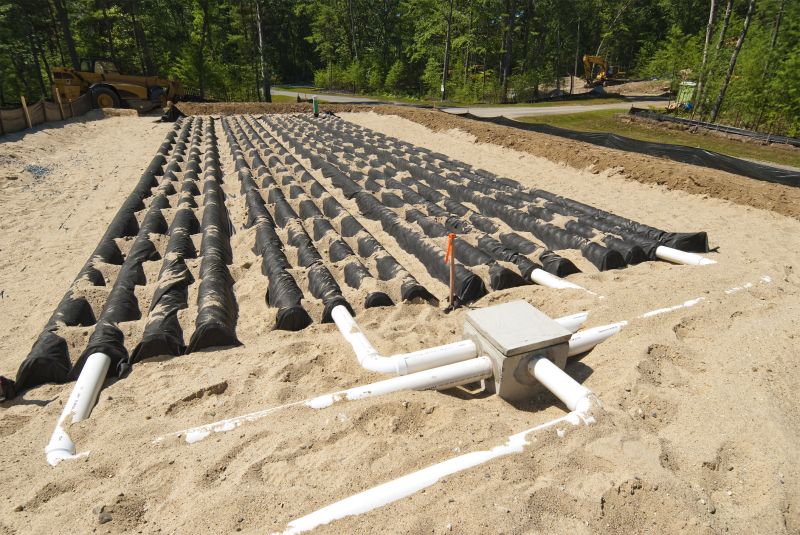
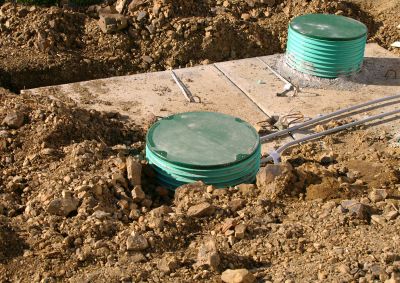
When property owners consider installing a septic system, understanding the key steps involved can help them make informed decisions. Typically, local contractors start by assessing the property’s terrain and soil conditions to determine the best location for the system. This initial step ensures that the installation will function properly and meet local regulations. Once the site is selected, professionals proceed with excavation and placement of the septic tank and drain field components, making sure everything is positioned correctly for optimal performance. These straightforward steps are essential for a successful septic system installation and are best handled by experienced local service providers who understand the specific requirements of the area.
Many property owners in the area look up information about septic system installation to ensure they’re working with qualified local contractors. Choosing the right service providers can make a significant difference in how smoothly the project progresses. After the installation, professionals typically perform inspections to verify that all components are functioning as intended and that the system complies with local standards. This process helps property owners avoid future issues and ensures the septic system operates efficiently over time. Connecting with trusted local pros can provide peace of mind and confidence that the key steps in a professional septic system installation are properly managed.
What are the initial steps in a professional septic system installation? The process typically begins with site evaluation and soil testing to determine the best location and system type, followed by obtaining necessary permits from local authorities. Local contractors assess the property to plan for proper placement and design.
How do professionals prepare the site for installation? Local service providers clear the area of obstructions, mark the designated system location, and perform soil tests to ensure suitable conditions. This preparation helps ensure proper system function and compliance with regulations.
What is involved in installing the septic tank and drain field? Experienced contractors excavate the site to install the septic tank, connect pipes, and set up the drain field with properly graded trenches. They ensure all components are correctly installed for optimal performance.
Are inspections part of the key steps in a septic system installation? Yes, local pros typically conduct inspections during and after installation to verify that the system meets local codes and functions correctly before finalizing the setup.
What happens after the septic system is installed? Once installation is complete, service providers backfill the site, perform final inspections, and provide guidance on system use and maintenance to ensure long-term operation.
Site assessment and planning - property owners can work with local contractors to evaluate land conditions and determine the best location for the septic system.
Design and permitting process - understanding local requirements helps property owners ensure their septic system design complies with regulations before installation begins.
Excavation and installation - coordinating with experienced service providers allows property owners to ensure proper placement and secure setup of the septic components.
System testing and inspection - verifying the septic system functions correctly with professional testing helps property owners avoid future issues and ensures proper operation.
If you are thinking about key steps in a professional septic system installation for a property, this guide is meant to help you understand this topic, the typical project types, and how different options might fit your plans.
When you are ready, you can use the quote form on this page to share a few details about your project. From there, local pros can review the basics and follow up with options that match what you have in mind.